Learn how to buy tires online in 2026: find your size, confirm fitment, compare prices, and get them installed. Free shipping and a price match on every tire at TireDeals.
Buying tires online takes about ten minutes once you know your tire size, and it usually costs less than a shop. Here is the full process: find your size, confirm the tires fit your vehicle, compare prices, choose an installer, and handle delivery. Follow these six steps and you will not buy the wrong tire or overpay.
In this guide
- Why buy tires online in 2026
- Step 1: Find your tire size
- Step 2: Choose the right type of tire
- Step 3: Confirm the tires fit your vehicle
- Step 4: Compare prices the right way
- Step 5: Pick your installation option
- Step 6: Order, delivery, and what happens next
- Mistakes to avoid when buying tires online
- Frequently asked questions
Why buy tires online in 2026?
Online tire retailers sell the same brands as local shops, usually at lower prices, with far more sizes in stock. A local shop might carry a few options in your size. An online store lists dozens, from budget to premium, and shows real customer reviews next to each one.
The old worries about buying online are mostly solved. Free shipping is standard at good retailers. Installer networks mean the tires ship straight to a shop near you, or a mobile installer comes to your driveway. Fitment tools check that a tire matches your exact vehicle before you pay.
The main advantage is price transparency. You can see what every tire costs, compare it against other stores in a new tab, and buy when the numbers make sense. At TireDeals, if you find a lower price elsewhere on any tire we sell, we match it.
Step 1: Find your tire size
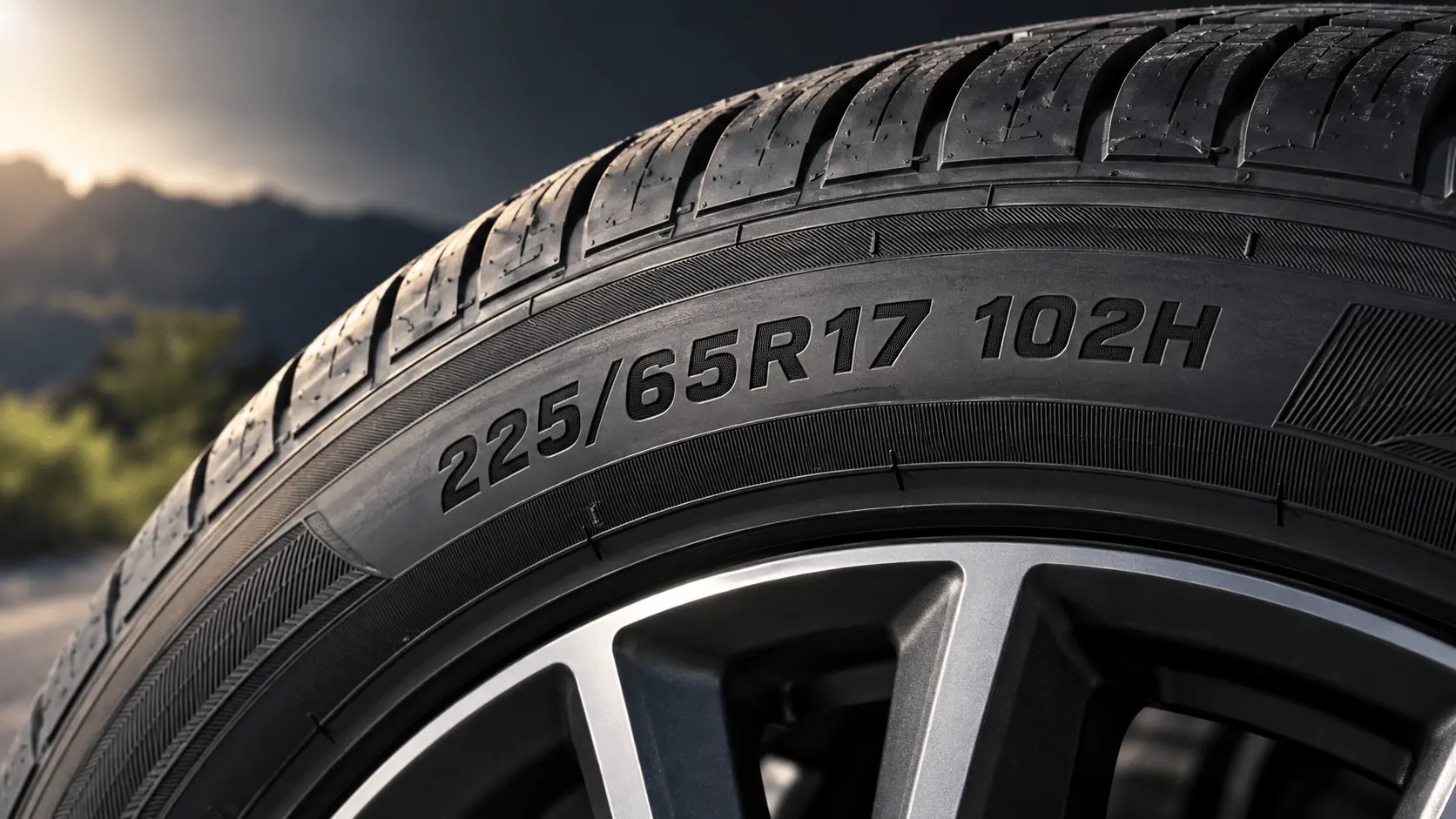
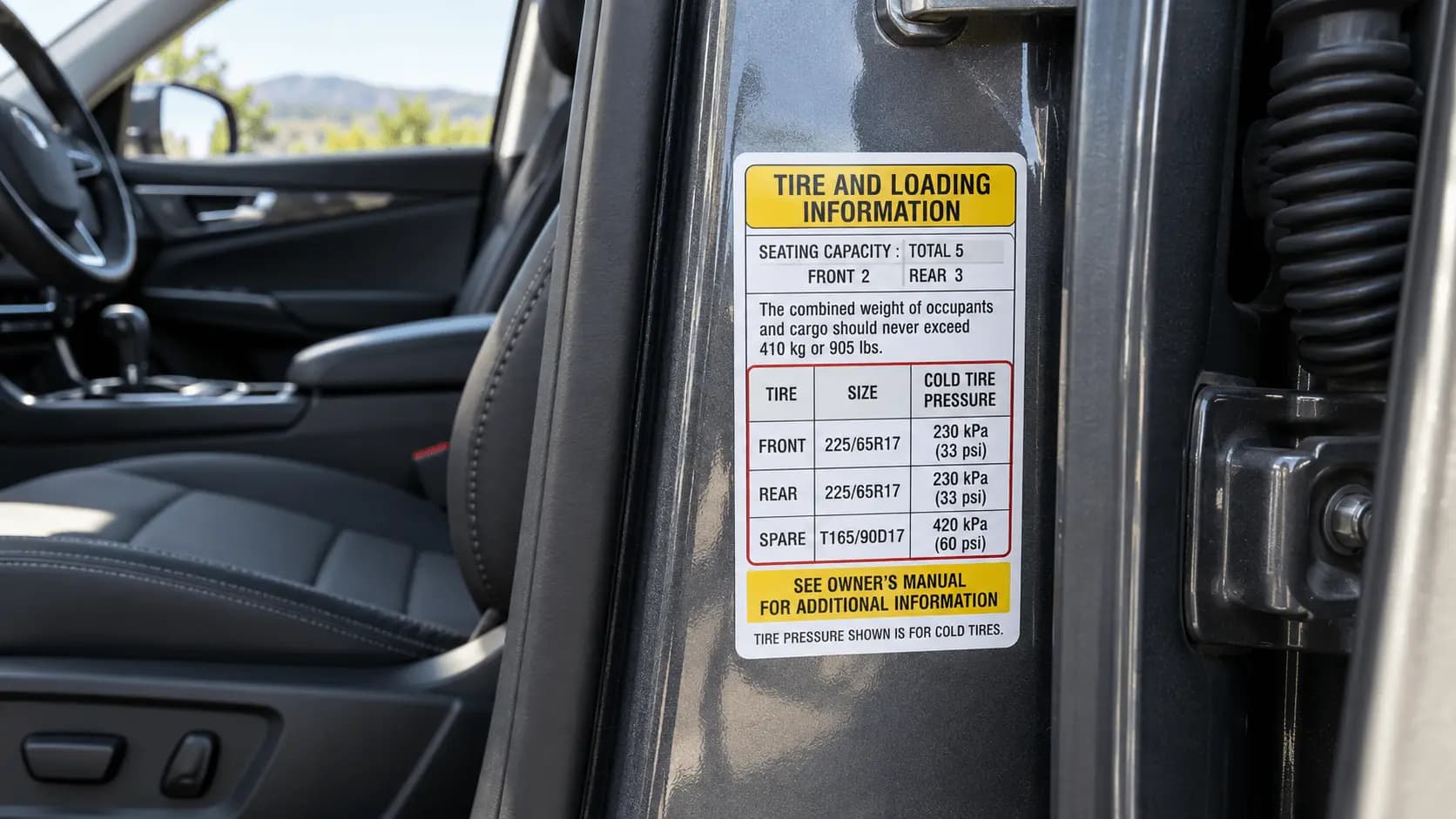
Your tire size is printed on the sidewall of your current tires and on a sticker inside the driver’s door jamb. It looks like this: 225/65R17 102H. You need the first part (225/65R17) to shop. The last part (102H) is the load index and speed rating, which matters when you compare options.
Here is what each number means:
| Marking | Meaning | Example |
|---|---|---|
| 225 | Tire width in millimeters | 225 mm wide |
| 65 | Aspect ratio (sidewall height as % of width) | Sidewall is 65% of 225 mm |
| R | Radial construction | Standard on all modern car tires |
| 17 | Wheel diameter in inches | Fits a 17-inch wheel |
| 102 | Load index | Each tire supports up to 1,874 lbs |
| H | Speed rating | Rated to 130 mph |
The door jamb sticker is the most reliable source because it shows what the manufacturer specified for your vehicle. The sidewall shows what is on the car now, which may be a different size if a previous owner changed wheels.
If you do not want to decode anything, use the TireDeals tire finder. Enter your year, make, model, and trim, and it lists every tire that fits. You can also search by size directly if you already have it. For a deeper explanation, see our guide on how to read tire size.
Find tires for your vehicle
Enter your vehicle details to see tires that fit.
Find tires for your vehicleStep 2: Choose the right type of tire
Most drivers need an all-season tire. Pick something else only if your climate, vehicle, or driving style calls for it.
| Tire type | Best for | Skip it if |
|---|---|---|
| All-season | Most cars and SUVs in mild to moderate climates | You see heavy snow every winter |
| All-weather (3PMSF rated) | Year-round use with real winter, no seasonal swap | You never see snow (you pay for capability you will not use) |
| Winter/snow | Regular snow and ice, temps below 45°F for months | Only for winter; you need a second set |
| Summer/performance | Sports cars, warm climates, maximum grip | Any freezing temperatures |
| All-terrain | Trucks and SUVs that go off pavement | You mostly drive highway (more noise, less tread life) |
| Highway (H/T) | Trucks and SUVs used on pavement, towing | You need off-road traction |
Within each type, tires vary in tread life warranty (typically 40,000 to 90,000 miles), noise, wet grip, and price. Our best all-season tires of 2026 guide ranks the top picks by budget, and our all-season vs. all-weather comparison helps if you are on the fence.
One rule that saves money: match the tire to how you actually drive, not how you might drive. A daily commuter does not need a $250 ultra-high-performance tire.
Step 3: Confirm the tires fit your vehicle
The size matching is not the whole story. A tire can be the right size and still be wrong for your vehicle if the load index or speed rating is too low. Always confirm three things:
- Size matches your door jamb sticker or an approved alternate size.
- Load index is equal to or higher than the original. Never go lower.
- Speed rating is equal to or higher than the original. A lower rating can affect handling and may void warranty coverage.
This is where most online buying mistakes happen. Two tires with the same size can carry different load and speed ratings, and the wrong one shows up looking identical.
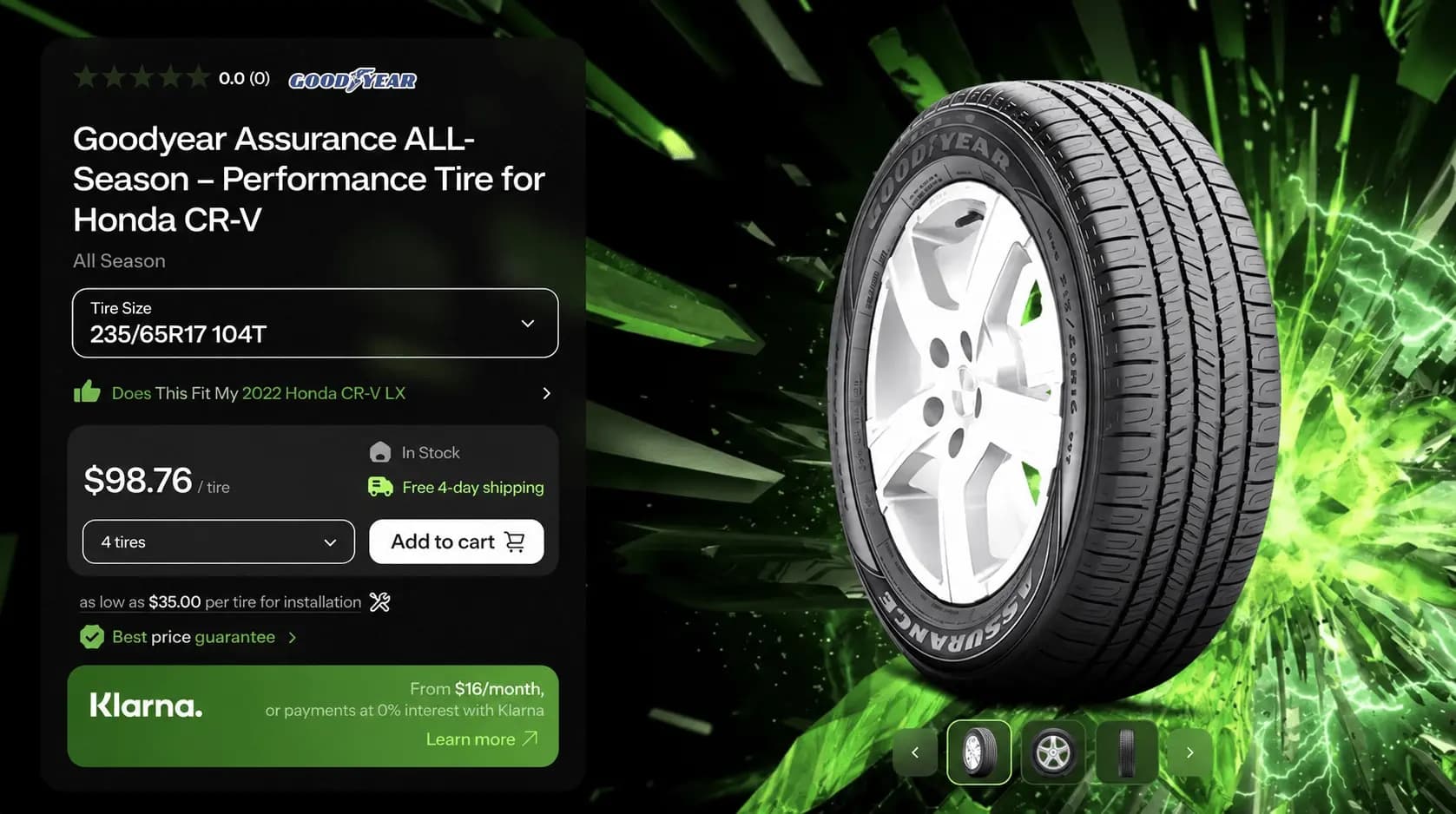
To remove the guesswork, every TireDeals product page has a “Does this fit my vehicle?” checker. Select your year, make, model, and trim, confirm the options, and it tells you yes or no before you add to cart. Use it every time, even when you are confident. It takes 20 seconds and prevents a return.
Step 4: Compare prices the right way
Compare the total delivered and installed cost, not the sticker price per tire. A tire that looks $10 cheaper can cost more once shipping, installation, and fees are added.
Here is what to include in your comparison:
| Cost item | Typical range (set of 4) | Notes |
|---|---|---|
| Tires | $300 to $1,200+ | Varies by size, type, and brand |
| Shipping | $0 to $80 | Free at TireDeals |
| Mounting and balancing | $60 to $200 | About $15 to $50 per tire at most shops |
| Valve stems / TPMS service | $0 to $60 | Often needed on vehicles with pressure sensors |
| Old tire disposal | $8 to $20 | $2 to $5 per tire |
| Alignment (optional) | $75 to $150 | Recommended if your old tires wore unevenly |
Three ways to keep the total down:
- Check for manufacturer rebates. Brands like Michelin, Goodyear, Bridgestone, and Continental run rebate programs in spring and fall, often $50 to $150 back on a set of four. See our guide to the best time to buy tires.
- Look at second-tier brands. General, Hankook, Cooper, Kumho, and Yokohama make tires that perform close to premium brands at 20 to 40 percent less.
- Use a price match. If a competitor lists the same tire for less, ask the retailer to match it. TireDeals matches any competitor’s price on any tire we carry, so you never have to choose between the lowest price and free shipping.
Also compare what comes with the tire. Every major brand backs its tires with a tread life warranty (typically 40,000 to 90,000 miles) and a workmanship warranty against defects. Road hazard coverage is separate and covers damage from nails, potholes, and curbs. At TireDeals, every tire includes free flat repair coverage for 60 days, and you can add Standard Road Hazard or Elite Protection at checkout for full replacement coverage over two or three years. Register the tires with the manufacturer after purchase; some warranty claims require it.
If cash timing is the issue, TireDeals offers pay-later financing through Affirm, Klarna, and Snap at checkout, so you can buy during a rebate window and spread the cost.
Step 5: Pick your installation option
You have three ways to get online tires onto your car. Choose based on convenience and what your local shops charge.
| Option | How it works | Best for |
|---|---|---|
| Ship to a local installer | Tires ship directly to a partner shop; you book a time and drive in | Lowest hassle if a partner shop is nearby |
| Mobile installation | An installer comes to your home or office with a mobile mounting rig | Busy schedules, or no good shop nearby |
| Ship to you, install yourself or at your own shop | Tires arrive at your door; you take them anywhere | You have a trusted mechanic or install your own |
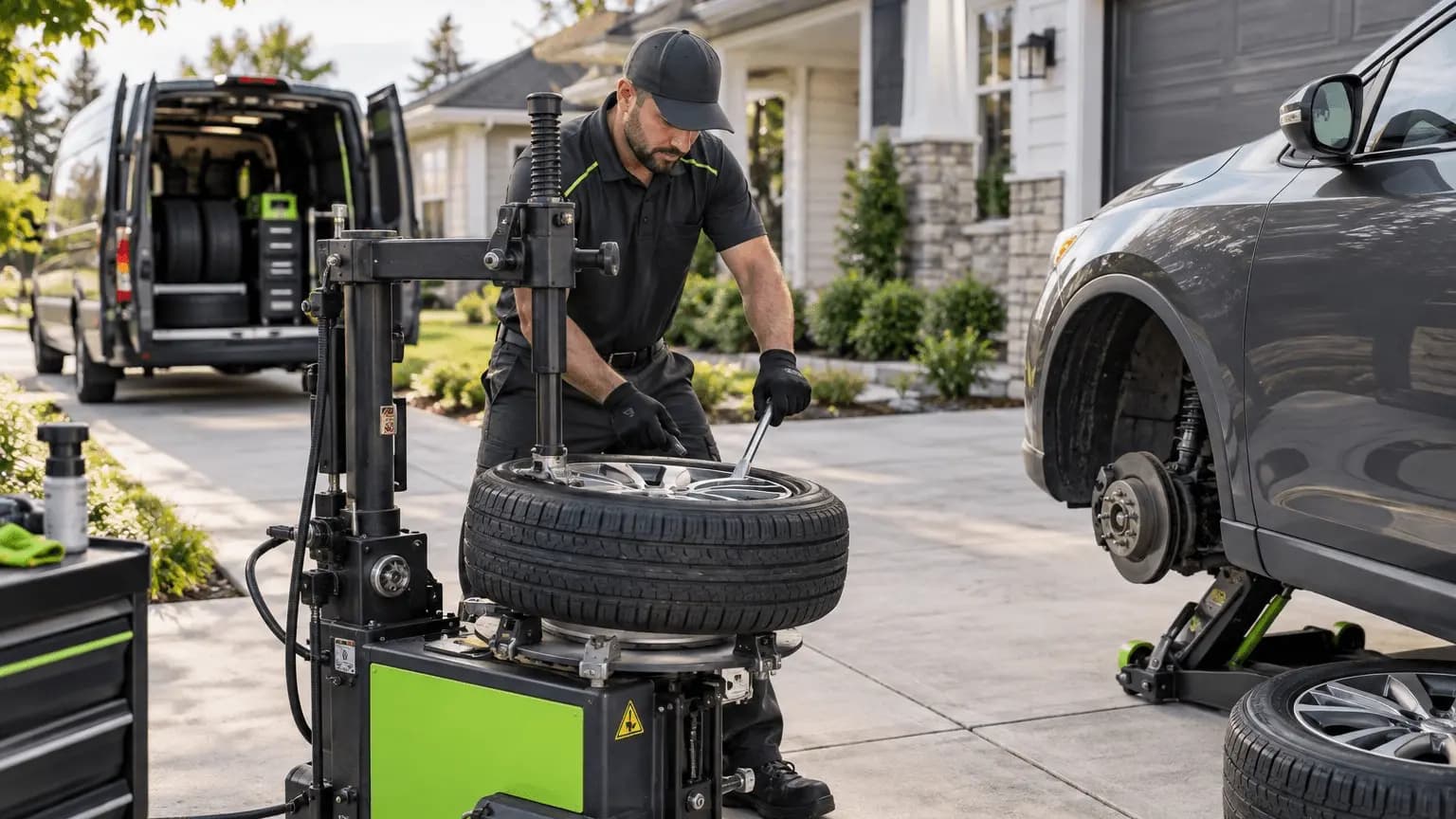
At TireDeals, you can choose a local installer or a mobile installer at checkout. Mobile installation is the option most people do not know exists. The installer brings the equipment, mounts and balances the tires on-site, and takes the old ones away. You never leave the house.
Whichever option you choose, ask whether the price includes balancing, new valve stems, and disposal. Those are the fees that surprise people.
Step 6: Order, delivery, and what happens next
Once you order, TireDeals ships nationwide and most tires arrive in two to three days. You will get tracking. If you selected an installer, the shop or mobile technician confirms your appointment after the tires arrive.
When the tires arrive, check three things before installation:
- The size and model match your order. Look at the sidewall.
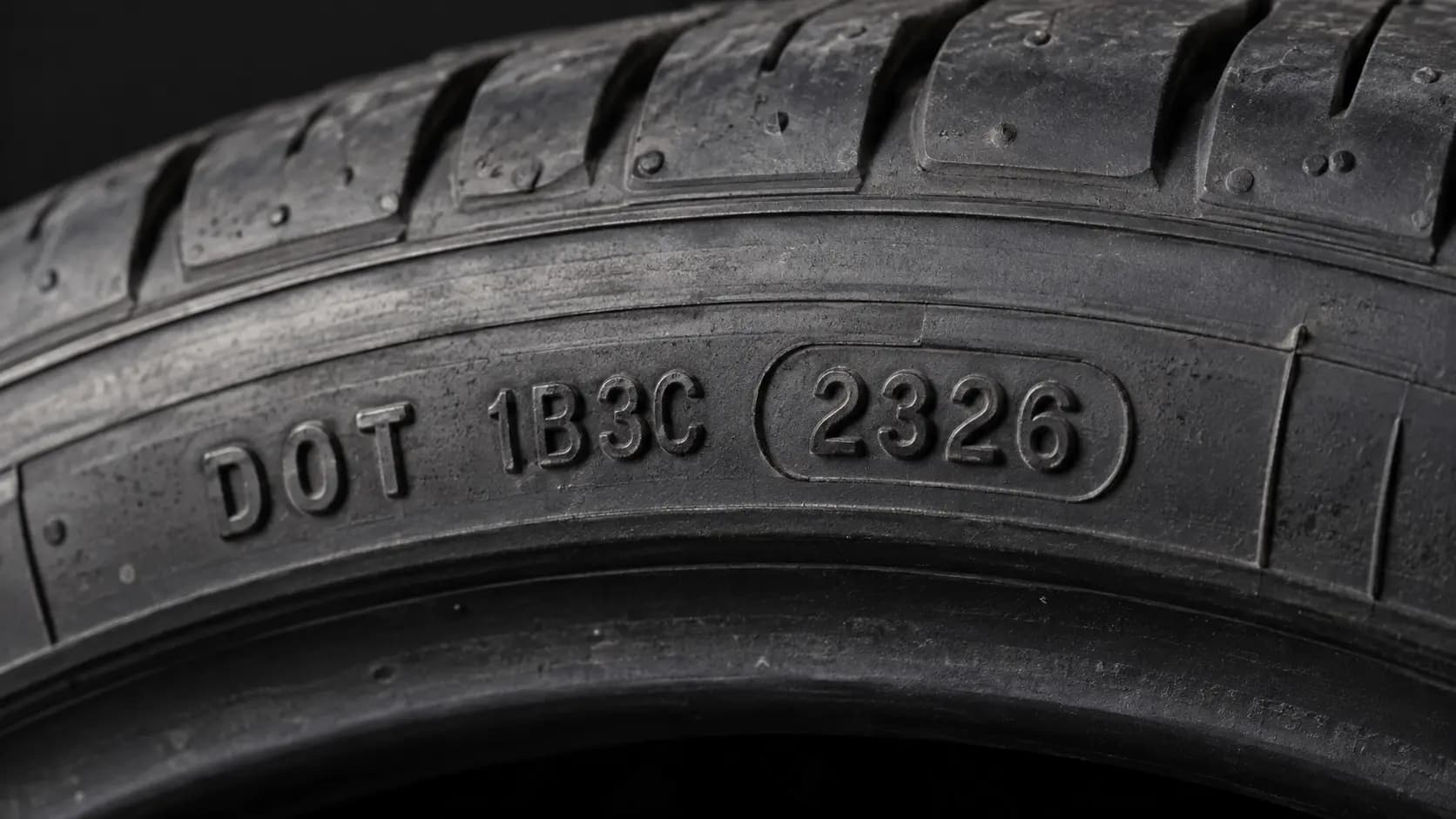
- The DOT date code is recent. The last four digits of the DOT number show the week and year of manufacture (for example, 2326 means the 23rd week of 2026). Tires older than a couple of years may have sat in a warehouse; anything older than six years should be questioned.
- No visible damage. Cuts, bulges, or flat spots from shipping straps are grounds for a replacement.
After installation, get an alignment if your old tires wore unevenly, and check the pressure after the first 50 miles. New tires settle slightly on the rim.
Mistakes to avoid when buying tires online
- Buying by size alone. Confirm load index and speed rating too. Use the fitment checker.
- Buying two instead of four on all-wheel-drive vehicles. Most AWD systems need matched tread depth on all four wheels. Check your owner’s manual.
- Ignoring the tread life warranty. A $120 tire with a 40,000-mile warranty costs more per mile than a $160 tire rated for 80,000 miles.
- Skipping reviews from your vehicle type. A tire that reviews well on a sedan can be noisy on a crossover. Filter reviews by vehicle when you can.
- Not checking the total cost. Shipping plus installation can erase a low tire price. Free shipping and a price match remove that problem.
- Waiting until the tires are bald. You lose the ability to shop sales and end up paying whatever is available that day. See how to check tire tread to know when you have time left.
Frequently asked questions
Ready to shop? Find tires for your vehicle in seconds. Every tire ships free, comes with a price match guarantee, and can be installed by a local or mobile installer of your choice.