Winter tires stop far shorter on snow and ice than all-season tires. Learn how they differ, when you need them, when to install them, and what a set really costs over time.
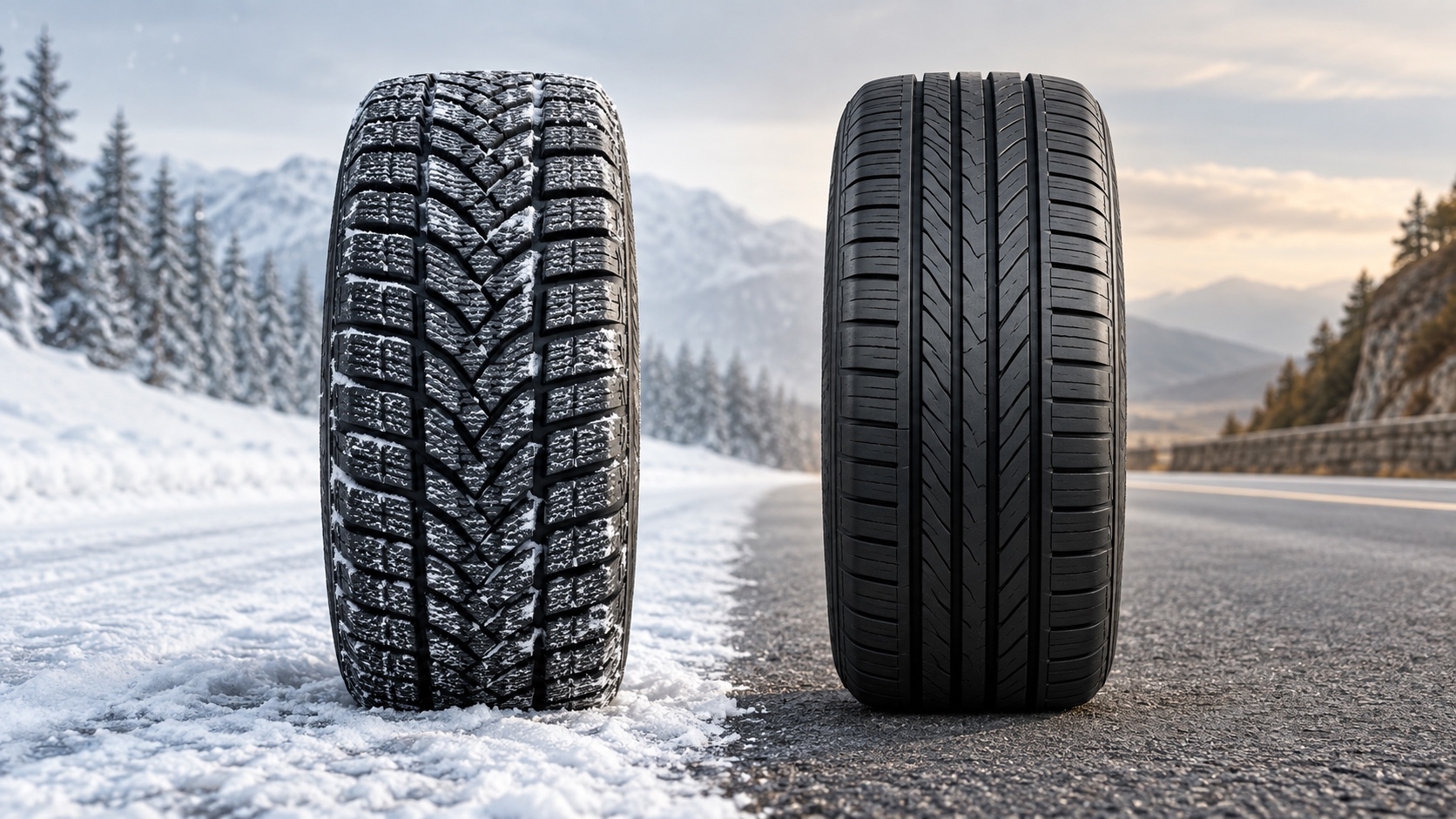
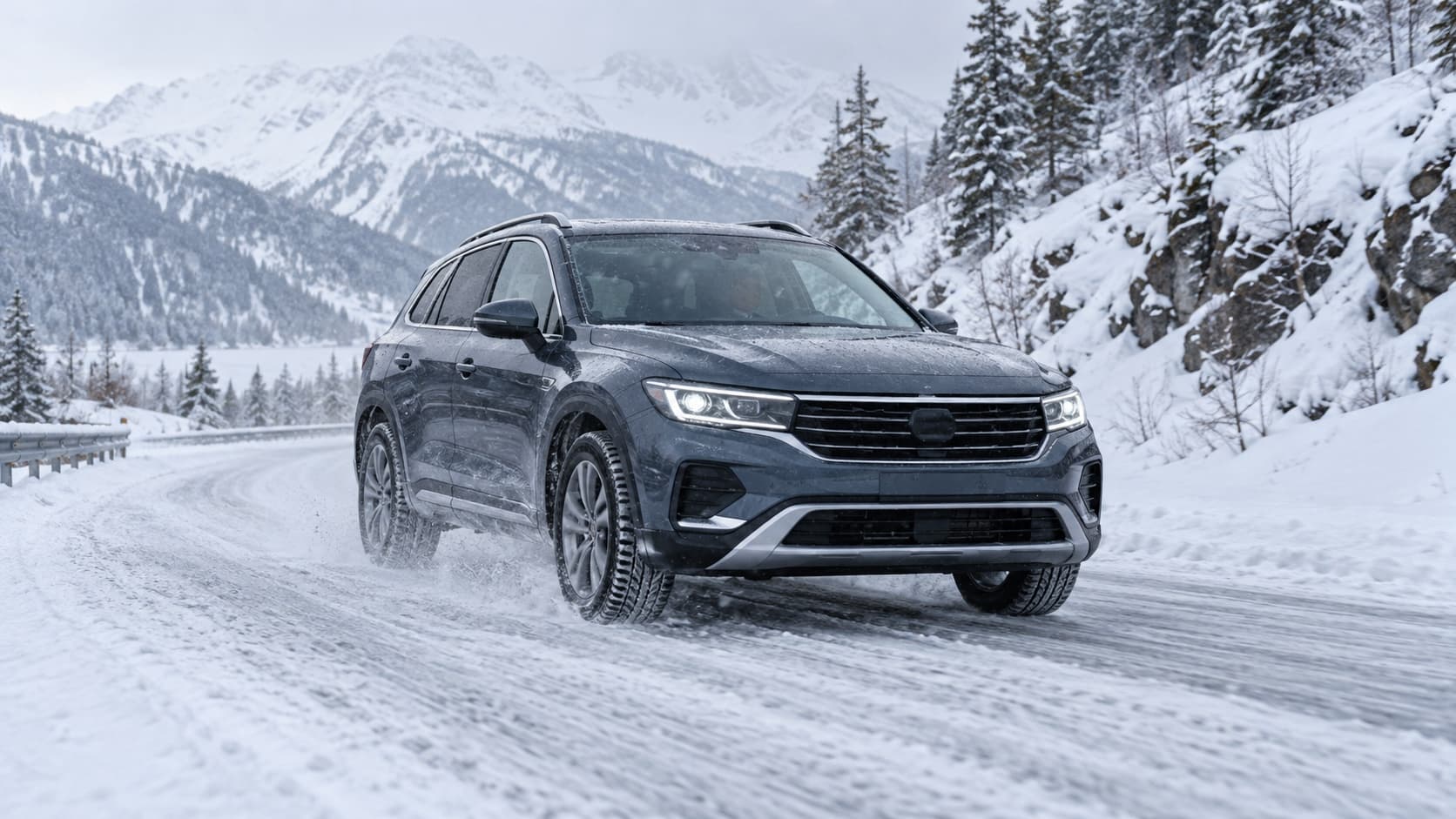
Winter tires use a soft rubber compound and deep, heavily siped tread that grip snow and ice far better than all-season tires. On packed snow, a winter tire can stop 30 percent shorter than an all-season; on ice, the gap is larger. You need them if temperatures stay below about 45°F for weeks at a time or snow is on the road regularly. If your winters are mild, an all-season or all-weather tire is the better value. Here is the full comparison, plus when to install them and what they cost.
This guide is part of our complete guide to buying tires online.
In this guide
- How winter tires are different
- Winter vs. all-season: side by side
- Do you need winter tires?
- When to put winter tires on and take them off
- What a set of winter tires really costs
- Winter tires vs. all-weather tires
- Common winter tire mistakes
- Frequently asked questions
How winter tires are different
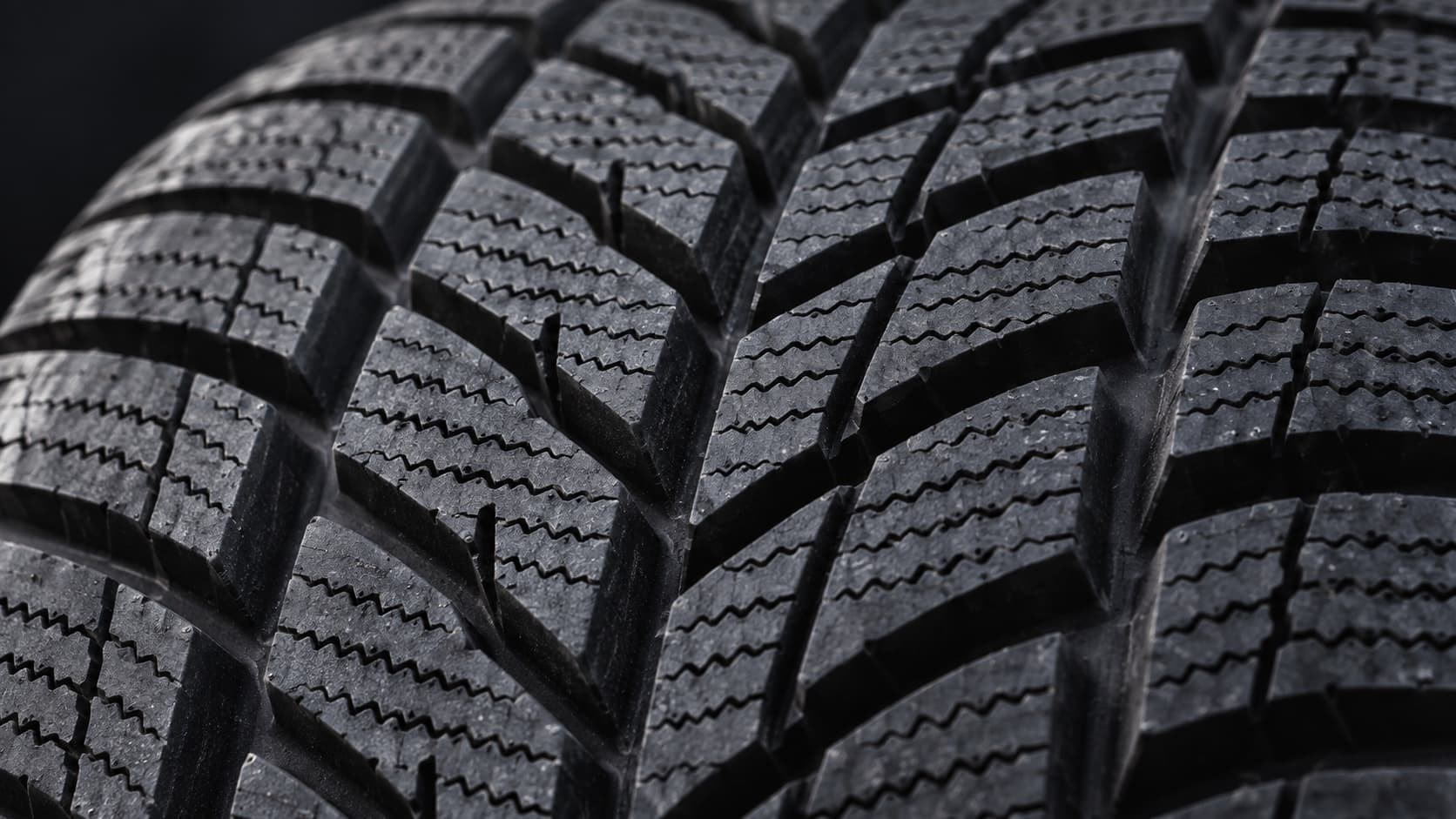
Three things separate a winter tire from an all-season tire.
The compound. Winter tires use rubber that stays soft and flexible below freezing. All-season rubber starts to stiffen around 45°F, and stiff rubber cannot conform to the road surface, so grip falls even on dry pavement.
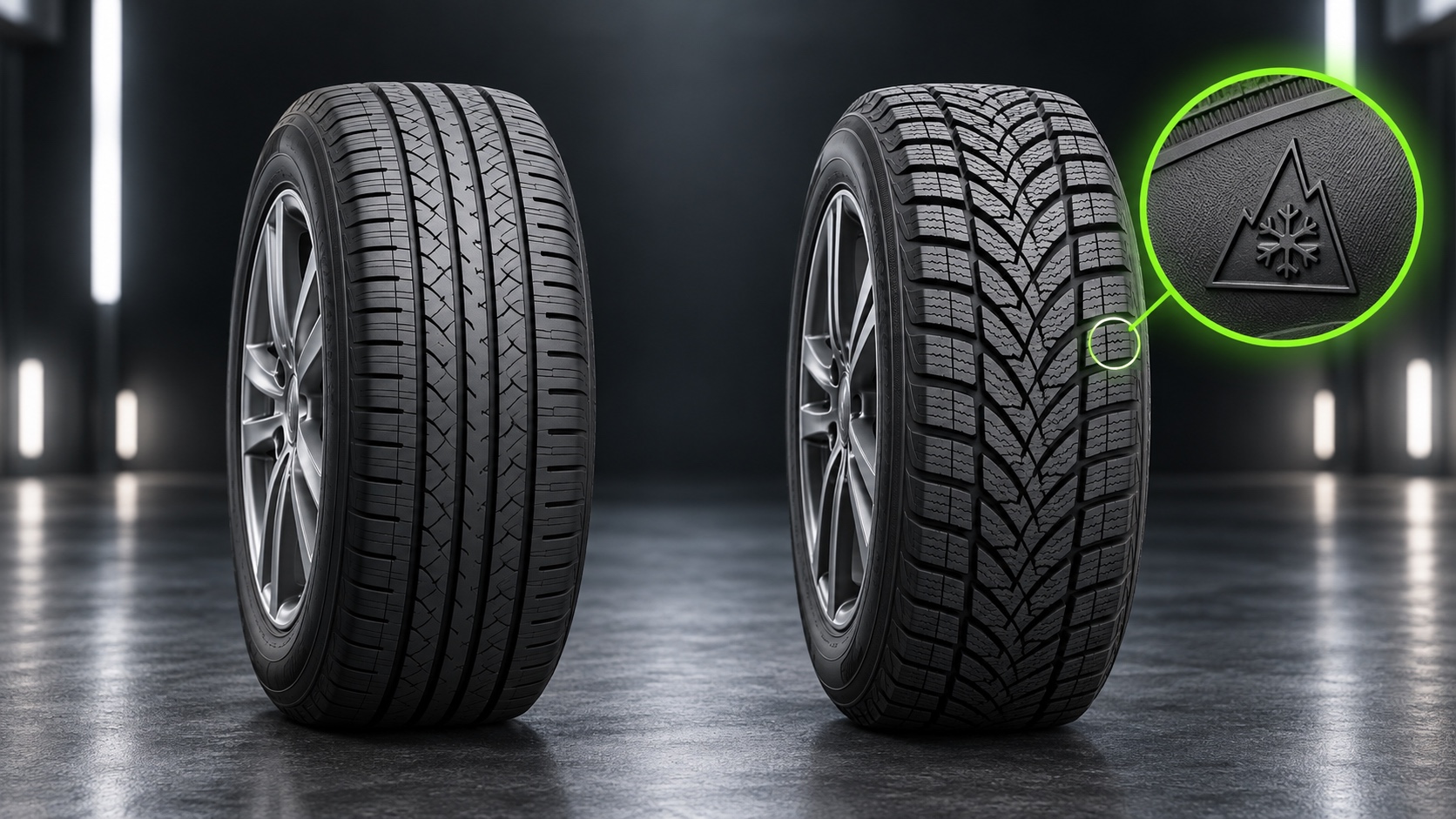
The tread. Winter tires have deeper grooves to clear slush and thousands of thin slits called sipes that open as the tire rolls, creating biting edges on snow and ice. Some have small pockets that grab the film of water on ice.
The certification. Every true winter tire carries the Three-Peak Mountain Snowflake (3PMSF) symbol, meaning it passed a standardized snow traction test. An all-season tire’s M+S marking is a tread-design label only, with no test behind it.
The result is a tire that is far better in cold and snow and worse in warm weather, where the soft compound wears fast and handling goes vague. That is why winter tires are a seasonal set, not a year-round one.
Winter vs. all-season: side by side
| Winter tires | All-season tires | |
|---|---|---|
| Snow braking | Excellent | Fair to weak |
| Ice braking | Good | Weak |
| Grip below 45°F | Excellent | Declines as temperature drops |
| Dry roads above 50°F | Soft, vague, wears fast | Excellent |
| Wet roads | Very good in cold; fair in warm | Good |
| Tread life | 30,000–40,000 mi (seasonal use) | 60,000–90,000 mi |
| Noise | Louder | Quieter |
| Cost | Second set of tires; optional second set of wheels | One set |
| 3PMSF rated | Always | No |
| Best for | Snow on the road for weeks; regular ice; mountain roads | Mild winters; year-round convenience |
Do you need winter tires?
You need winter tires if any of these describe your winter:
- Average daily temperatures stay below 45°F for more than a few weeks
- Snow or ice is on the roads you drive several times a month
- You drive mountain passes, rural roads, or anywhere plowing is slow
- Your state or province requires winter-rated tires on certain roads or dates
You probably do not need them if:
- Snow falls once or twice a year and melts within a day
- Winter temperatures mostly stay above 45°F
- You can stay home on the few bad-weather days
A common misconception is that all-wheel drive replaces winter tires. It does not. AWD helps you accelerate on snow; it does nothing for braking or cornering, which is where crashes happen. An AWD car on all-season tires stops no shorter than a front-drive car on the same tires. A front-drive car on winter tires stops much shorter than either.
When to put winter tires on and take them off
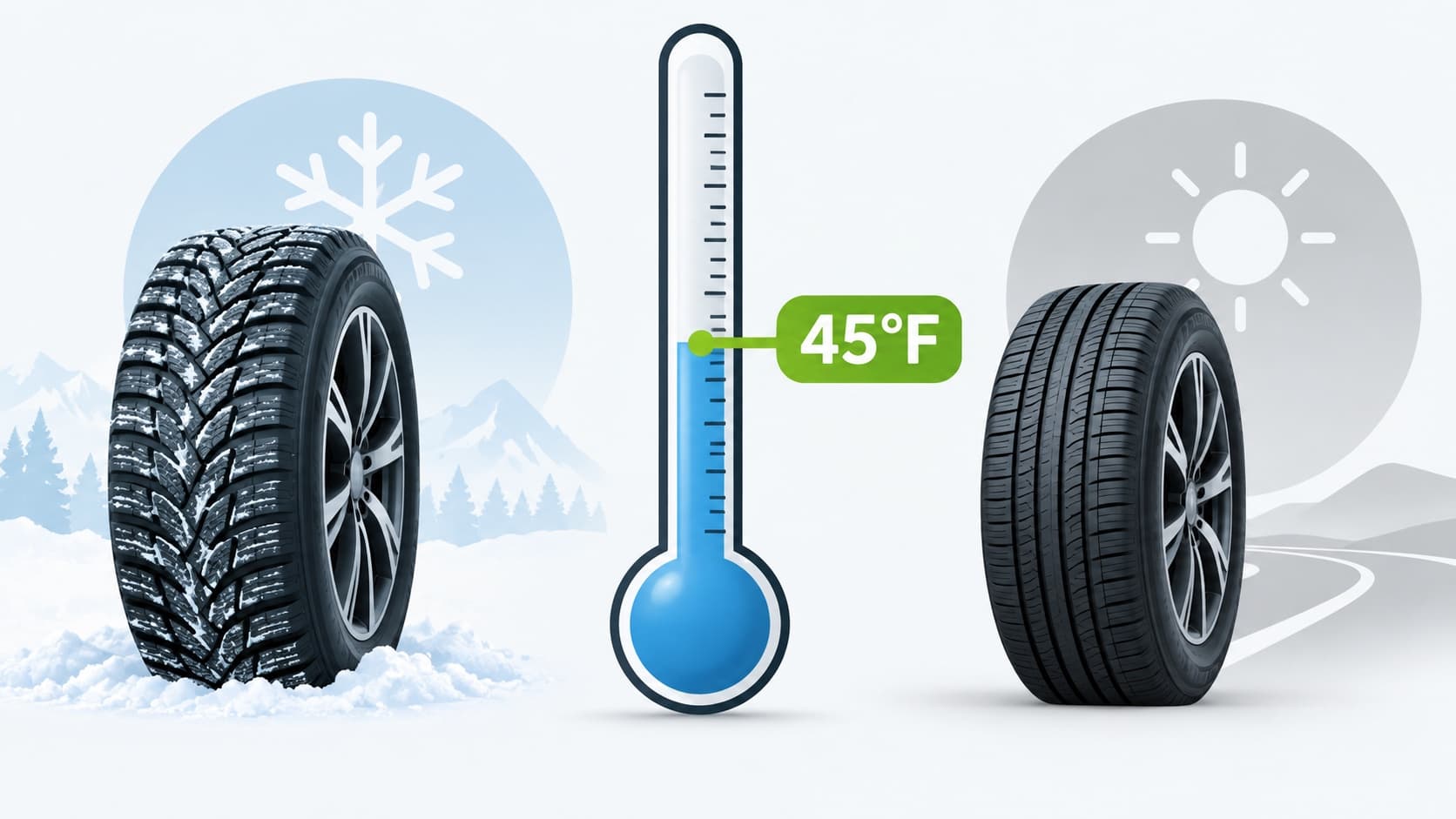
Use the temperature, not the calendar. Install winter tires when daily highs consistently stay below 45°F, and remove them when highs consistently rise above it in spring. For most of the northern United States that means:
| Region | Install | Remove |
|---|---|---|
| Upper Midwest, New England, Rockies | Late October to mid-November | Late March to mid-April |
| Mid-Atlantic, lower Midwest, Pacific Northwest | Mid-November to early December | Mid-March |
| Mountain areas at any latitude | When the first freezes arrive | When freezes stop |
Do not leave winter tires on into warm weather. Above about 50°F the soft compound wears quickly, handling turns vague, and you shorten the life of a tire you paid for.
Buy winter tires in August or September. Popular sizes sell out by the first snow, and manufacturer rebates typically start in late September. See our guide to the best time to buy tires.
Find tires for your vehicle
Enter your vehicle details to see tires that fit.
Find tires for your vehicleWhat a set of winter tires really costs
The cost of winter tires is smaller than it looks, because while they are on, your all-season tires are in storage and not wearing.
| Item | Typical cost |
|---|---|
| Set of four winter tires | $400–$1,000 depending on size and brand |
| Optional set of steel or alloy wheels | $200–$600 (one-time) |
| Mounting and balancing, if swapping tires on the same wheels | $60–$150 twice a year |
| Swap only, if you have a second set of wheels | $0–$60 twice a year |
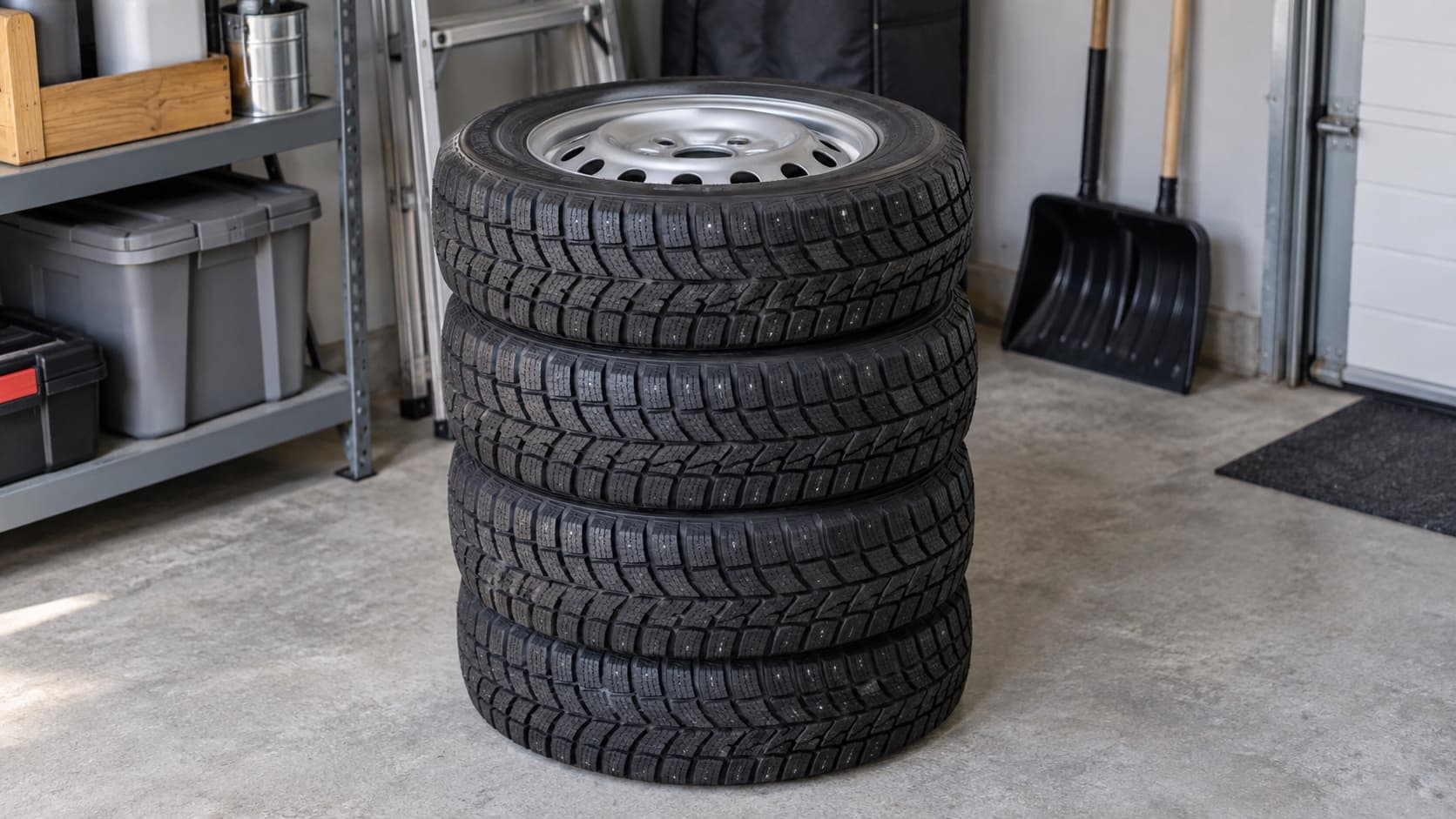
| Storage | Free in a garage; $50–$100 per season at a shop |
A second set of wheels pays for itself in two to three seasons because you avoid mounting fees and the wear that mounting puts on tire beads. A mobile installer can do the seasonal swap in your driveway; choose that option at TireDeals checkout.
Over five years, running winter tires half the year roughly doubles the life of your all-season set. The net cost of the winter set is the tires themselves plus swaps, minus the all-season replacement you postponed.
Winter tires vs. all-weather tires
All-weather tires are all-season tires with a 3PMSF rating. They sit between the two categories: better in snow than a standard all-season, not as good as a winter tire, and usable year-round.
Choose all-weather instead of winter tires if you see moderate snow, do not want to store a second set, and are willing to give up some stopping distance on the worst days. Choose winter tires if snow and ice are a regular part of your commute. Our all-season vs. all-weather guide covers the middle option in detail.
Common winter tire mistakes
- Buying only two. Winter tires on one axle and all-seasons on the other create a grip mismatch that can spin the car. Always four.
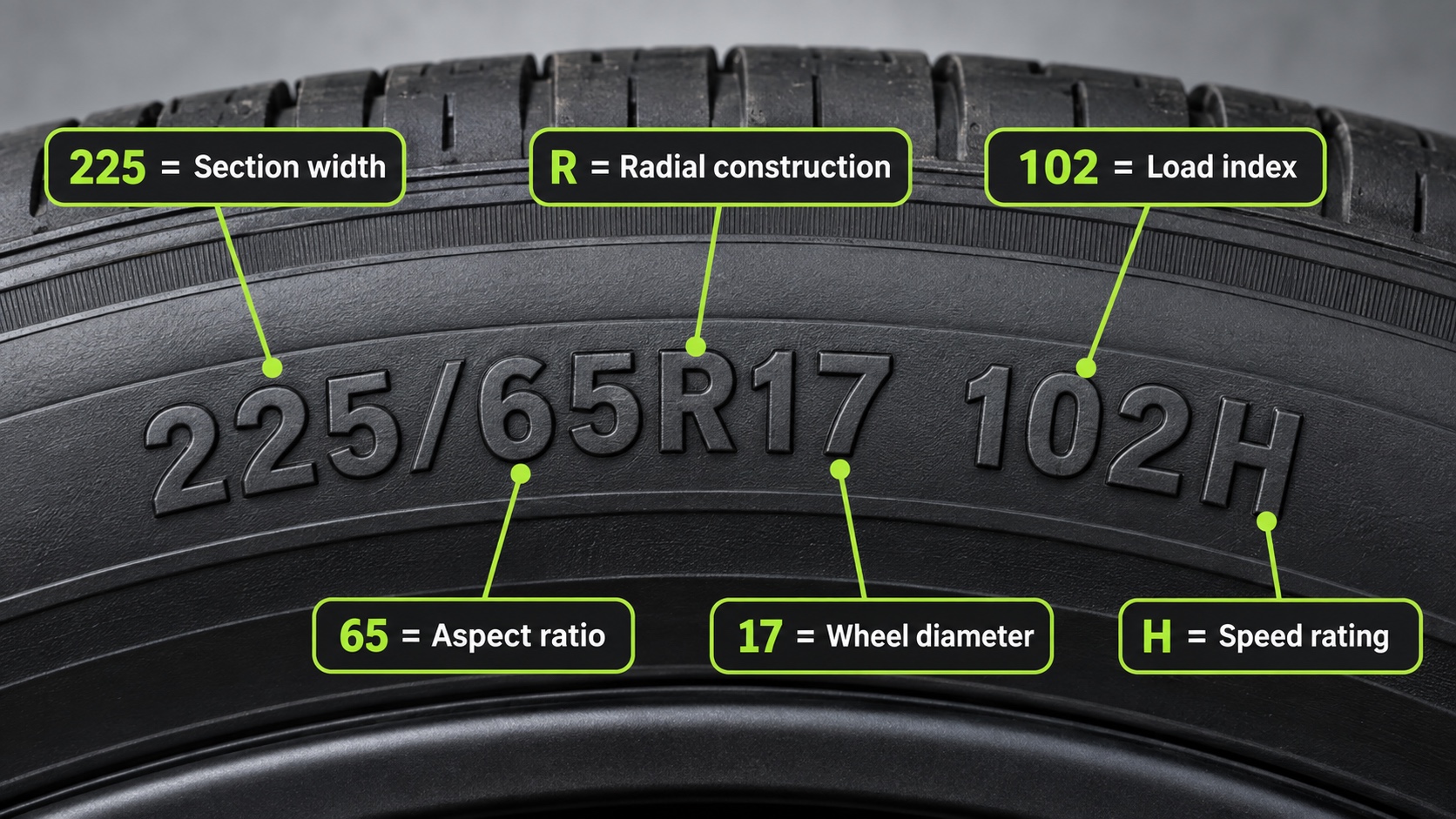
- Choosing a lower speed rating and forgetting it. Winter tires often carry Q, R, or T ratings, which is acceptable for winter. Do not run them at summer highway speeds for long.
- Leaving them on all year. They wear out in a season or two of summer use.
- Skipping the pressure check. Cold drops pressure about 1 PSI per 10°F. Check monthly; see recommended tire pressure.
- Storing them badly. Keep them clean, dry, out of sunlight, and stacked flat or bagged. Heat and ozone age rubber.
- Waiting for the first storm to buy. Selection is worst and prices are highest that week.
Frequently asked questions
Winter is coming. Find winter tires for your vehicle before the sizes sell out. Free shipping on every order, a price match on every tire, and a local or mobile installer who can handle the seasonal swap.